



 Send Inquiry
Carboplatin Injection
MOQ : 100 Boxes
Carboplatin Injection Specification
- Salt Composition
- Carboplatin
- Indication
- Antineoplastic; Treatment of ovarian, lung, and other cancers
- Dosage Form
- Injection
- Feature
- Sterile, non-pyrogenic
- Ingredients
- Carboplatin, water for injection, stabilizers
- Application
- Ph Level
- Approximately 3.5-5.5
- Physical Color/Texture
- Clear, colorless aqueous solution
- Fermentation Smell
- Odorless
- Shelf Life
- 24 months
Carboplatin Injection Trade Information
- Minimum Order Quantity
- 100 Boxes
- FOB Port
- Mundra Port
- Supply Ability
- 100000 Boxes Box Per Month
- Delivery Time
- 30 Days
- Sample Available
- Yes
- Sample Policy
- Sample costs shipping and taxes has to be paid by the buyer
- Packaging Details
- As Per Buyer Requirements
- Main Export Market(s)
- Australia, North America, South America, Eastern Europe, Middle East, Western Europe, Africa, Central America, Asia
- Main Domestic Market
- All India
- Certifications
- ISO, GMP, WHO
About Carboplatin Injection
Carboplatin is used in the treatment of ovarian cancer and small cell lung cancer.
How carboplatin works
Carboplatin is an anti-cancer medication. It works by damaging the genetic material (DNA) of the cancer cells and stops their growth and multiplication.
Common side effects of carboplatin
Nausea, Vomiting, Anemia (low number of red blood cells), Fatigue, Low blood platelets, Increased liver enzymes, Decreased white blood cell count (neutrophils), Stomatitis (Inflammation of the mouth), Peripheral sensory neuropathy, Diarrhoea
Mechanism of Action
Carboplatin acts by interfering with DNA replication in cancer cells, leading to cell death. This mechanism specifically targets rapidly dividing cells, making it effective in treating various types of cancer. It is commonly used as a first-line treatment in ovarian and lung cancers and is often administered as part of a combination therapy.
Precautions and Contraindications
Before initiating Carboplatin therapy, patients are evaluated for renal impairment and bone marrow suppression, as these conditions are contraindications for use. The injection is delivered intravenously under medical supervision, with dosage and duration determined by a physician based on individual patient needs.
Storage and Handling
Carboplatin Injection must be stored in a cool place to ensure its efficacy throughout the stated 24-month shelf life. As a sterile, non-pyrogenic liquid, handling should adhere to medical guidelines, and only qualified healthcare professionals should administer the product.
FAQs of Carboplatin Injection:
Q: How is Carboplatin Injection administered?
A: Carboplatin Injection is administered intravenously by a healthcare professional. The dosage and frequency are determined by the physician according to the patients type of cancer, overall health, and treatment response.Q: What are the therapeutic indications of Carboplatin Injection?
A: Carboplatin Injection is indicated for chemotherapy treatment of ovarian, lung, and several other cancers. It works by interfering with the DNA of cancer cells to prevent their growth and spread.Q: When should Carboplatin Injection be avoided?
A: This injection should be avoided in individuals with renal impairment or severe bone marrow depression, as these conditions raise the risk of serious side effects.Q: Where should Carboplatin Injection be stored?
A: Carboplatin Injection should be stored in a cool place as specified by the manufacturer to maintain potency and safety. It should be securely kept in its vial packaging until use.Q: What is the recommended usage duration for Carboplatin Injection?
A: Carboplatin Injection should be used strictly as directed by a physician. The duration of therapy varies depending on the cancer type, treatment protocol, and patient response.Q: What benefits does Carboplatin Injection offer in cancer treatment?
A: Carboplatin is valued for its effectiveness against a range of cancers, its predictable side effect profile compared to similar agents, and its sterility and safety when prepared and administered correctly.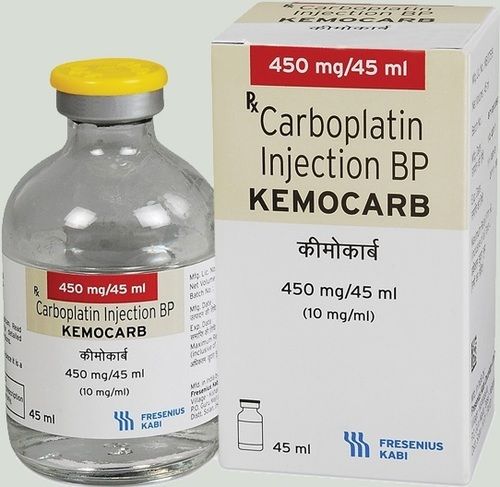
Tell us about your requirement

Price:
Quantity
Select Unit
- 50
- 100
- 200
- 250
- 500
- 1000+
Additional detail
Mobile number
Email

More Products in Oncology Drugs Category
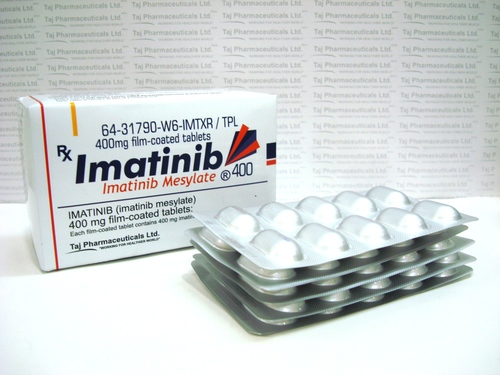
Imatinib Mesylate Tablets
Minimum Order Quantity : 100 Boxes
Storage Instructions : Store in Cool
Formulations Form : Tablets
Feature : Other, Film Coated, Oral Administration
Physical Color/Texture : Other , Yellowish to brownish colored round tablets
Ingredients : Other , Imatinib Mesylate, Excipients
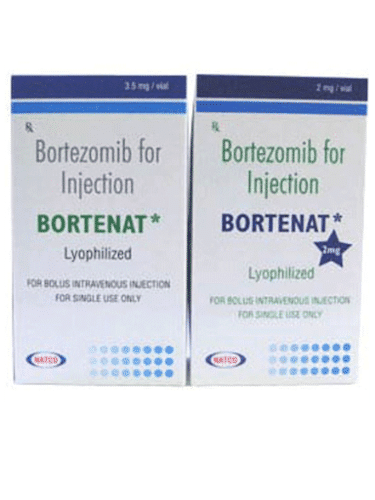
Bortezomib Injection
Storage Instructions : Store at 2C to 8C (Refrigerated)
Feature : Other, Sterile, Singleuse Vial
Physical Color/Texture : Other , White to Offwhite Lyophilized Powder
Ingredients : Other , Bortezomib, Mannitol (as excipient)
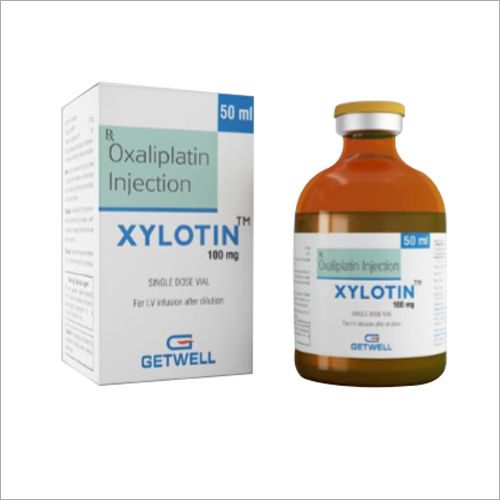
Oxaliplatin Injection
Minimum Order Quantity : 100
Storage Instructions : Store in Cool
Formulations Form : Liquid
Feature : Other, Sterile, readytouse injectable solution
Physical Color/Texture : Other , Clear, colorless to slightly yellow solution
Ingredients : Other , Oxaliplatin, Water for Injection, other excipients
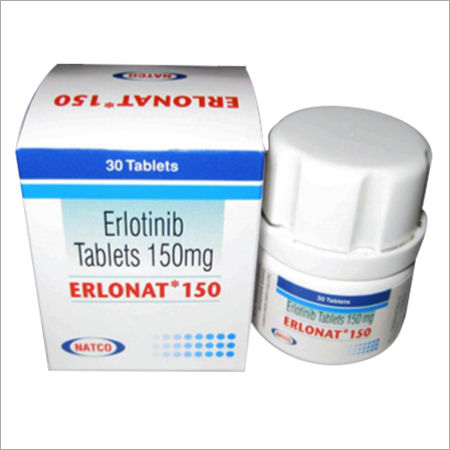
Erlonat 150 Tablet
Minimum Order Quantity : 100
Storage Instructions : Store in Cool
Formulations Form : Tablets
Feature : Other, Oral anticancer agent
Physical Color/Texture : Other , White to offwhite tablets
Ingredients : Other , Erlotinib Hydrochloride 150mg

Contact Details

- REWINE PHARMACEUTICAL
GST : 24BLJPD8766M1ZJ - 2nd Floor, the Palladium Mall, Yogi Chowk,Surat - 395010, Gujarat, India
- Phone : 08045801787

- Mr Hardik Dhorajiya (Director)
- Mobile : 08045801787
-
 Send Inquiry
- Whatsapp Number- 917201011711
 Send Inquiry
 |
REWINE PHARMACEUTICAL
All Rights Reserved.(Terms of Use) Developed and Managed by Infocom Network Private Limited. |
