



 Send Inquiry
Niacin
Niacin Specification
- Ph Level
- 6.0-7.5 (1% solution)
- Melting Point
- 236C
- Storage
- Store in a cool dry area away from light
- Color
- White
- Molecular Weight
- 123.11 g/mol
- Loss on Drying
- Less than 0.5%
- HS Code
- 29362900
- Poisonous
- Non-poisonous
- Molecular Formula
- C6H5NO2
- Heavy Metal (%)
- Less than 0.002%
- Solubility
- Slightly soluble in water and ethanol
- Particle Size
- 80 mesh
- Smell
- Odorless
- Structural Formula
- C6H4(COOH)(NO2)
- Shelf Life
- 3 years
- EINECS No
- 200-441-0
- Taste
- Slightly acidic
- Medicine Name
- Niacin
- Chemical Name
- Nicotinic Acid
- CAS No
- 59-67-6
- Type
- Vitamin
- Grade
- Pharmaceutical Grade
- Usage
- Treatment of pellagra and used as a dietary supplement
- Purity(%)
- 99%
- Appearance
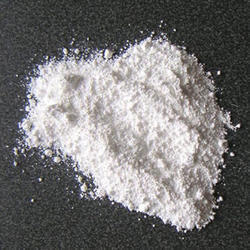
- White crystalline powder
- Physical Form
- Solid
About Niacin
Niacin is also known as vitamin B3, and Pyridine-3-carboxylic acid, is an important water-soluble vitamin that can be found in many common foods including certain types of meat and organ meat, tuna fish, seeds, mushrooms, and others.
CAS NO. : 59-67-6
Niacin is a part of the vitamin B complex, along with other B vitamins including Vitamin B1 (thiamine), Vitamin B2 (riboflavin), and others.
Niacin is an important vitamin for maintaining a healthy cardiovascular system and metabolism- especially balancing blood cholesterol levels. In addition it helps with brain function, healthy skin formation and maintenance, and even preventing or treating diabetes.
Health Benefits of Niacin
Niacin plays a crucial role in energy metabolism, maintaining healthy skin, and supporting nervous system function. For individuals with niacin deficiency, adequate supplementation helps prevent and treat pellagra, a condition marked by skin lesions, digestive disturbances, and mental symptoms. Its utility as a dietary supplement contributes to overall well-being and can be beneficial for people at risk for deficiency.
Pharmaceutical Grade Assurance
Niacin offered here meets strict pharmaceutical standards with a purity of 99%. Its heavy metal content is less than 0.002%, and moisture loss is maintained below 0.5%. These rigorous parameters ensure optimal safety and efficacy for medicinal applications, whether utilized in clinical formulations or as a direct supplement.
Proper Storage and Handling
To retain its effectiveness, niacin should be stored in cool, dry areas away from light. With a stable shelf life of three years, this protocol prevents degradation and contamination. The product comes in solid form and particle size of 80 mesh, making it suitable for precise dosing and formulation in pharmaceutical and nutritional products.
FAQs of Niacin:
Q: How is niacin used for treating pellagra?
A: Niacin is administered orally as a supplement to restore vitamin B3 levels in individuals with pellagra, a deficiency disease characterized by dermatitis, diarrhea, and dementia. Regular supplementation helps alleviate symptoms and promotes recovery.Q: What is the recommended way to store niacin to preserve its quality?
A: Niacin should be stored in a cool, dry area, away from direct light to maintain its potency and extend shelf life. Proper storage prevents moisture uptake and minimizes degradation.Q: When should niacin supplementation be considered?
A: Supplementation is recommended when there is a risk or diagnosis of niacin deficiency, especially in populations with inadequate dietary intake, digestive disorders, or increased metabolic needs.Q: Where is this niacin manufactured and exported from?
A: This niacin is produced and supplied by reputable manufacturers, suppliers, and exporters based in India, ensuring global availability and rigorously controlled quality standards.Q: What process ensures the pharmaceutical-grade purity of niacin?
A: Niacin is manufactured under strict laboratory conditions with quality control protocols that limit impurities, heavy metals, and moisture, resulting in a pharmaceutical-grade product with 99% purity.Q: What are the main benefits of taking niacin as a supplement?
A: Taking niacin supplements supports healthy metabolism, aids in the maintenance of skin and nerves, and prevents deficiency diseases like pellagra. It can also contribute to general wellness when dietary intake is insufficient.Q: Is niacin poisonous or harmful in this form?
A: No, this pharmaceutical-grade niacin is considered non-poisonous when used as directed, and contains negligible amounts of heavy metals and impurities, ensuring safety for dietary and medicinal use.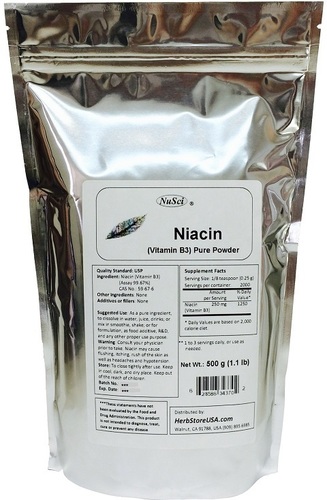
Tell us about your requirement

Price:
Quantity
Select Unit
- 50
- 100
- 200
- 250
- 500
- 1000+
Additional detail
Mobile number
Email

More Products in Active Pharmaceutical Ingredients Category
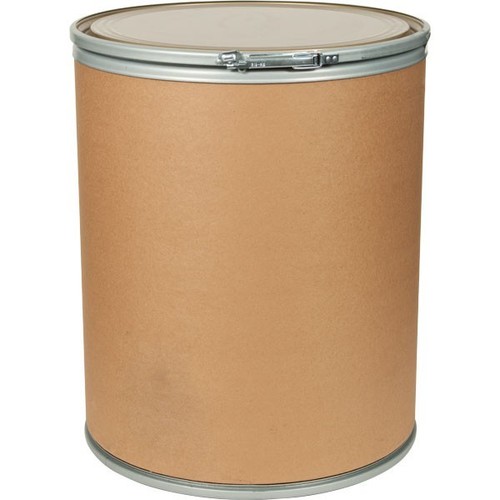
DOCUSATE SODIUM
Grade : Other, Pharma Grade
Color : White
Medicine Name : DOCUSATE SODIUM
Storage : Other, Store in tightly closed containers in a cool, dry place
Purity(%) : 99%
Shelf Life : 36 months
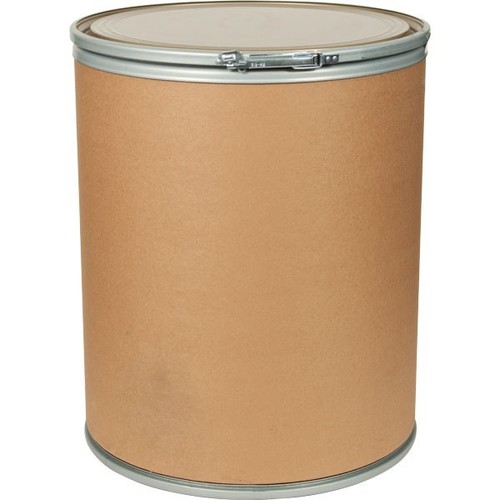
CLORSULON
Grade : Veterinary Grade
Color : Other, White to OffWhite
Medicine Name : Clorsulon
Storage : Other, Store in a tightly closed container, protected from moisture
Purity(%) : 98% min
Shelf Life : 2 years
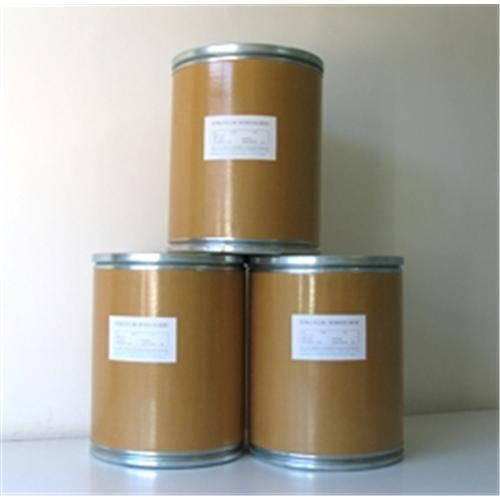
FENBENDAZOLE
Grade : Other, Pharma Grade
Color : White
Medicine Name : FENBENDAZOLE
Storage : Other, Keep in a dry place, protected from light
Purity(%) : 99%
Shelf Life : 3 years
Amlodipine Besylate
Grade : Other, Pharmaceutical Grade
Color : Other, White to offwhite
Medicine Name : Amlodipine Besylate
Storage : Store in a cool dry place protected from light and moisture., Other
Purity(%) : 98102%
Shelf Life : 2 years when stored under recommended conditions

Contact Details

- REWINE PHARMACEUTICAL
GST : 24BLJPD8766M1ZJ - 2nd Floor, the Palladium Mall, Yogi Chowk,Surat - 395010, Gujarat, India
- Phone : 08045801787

- Mr Hardik Dhorajiya (Director)
- Mobile : 08045801787
-
 Send Inquiry
- Whatsapp Number- 917201011711
 Send Inquiry
 |
REWINE PHARMACEUTICAL
All Rights Reserved.(Terms of Use) Developed and Managed by Infocom Network Private Limited. |
