



 Send Inquiry
CLIOQUINOL
CLIOQUINOL Specification
- Poisonous
- Yes (Toxic if ingested in large quantities)
- Taste
- Bitter
- Structural Formula
- ClC6H3(IN)COH
- Ph Level
- Neutral
- Storage
- Store in cool, dry place
- Molecular Formula
- C9H5ClINO
- Heavy Metal (%)
- < 0.001%
- Loss on Drying
- Maximum 0.5%
- Melting Point
- 178-180C
- Solubility
- Slightly soluble in water, freely soluble in alcohol and ether
- Molecular Weight
- 305.5 g/mol
- Color
- Yellow
- Particle Size
- As per requirement
- EINECS No
- 204-993-6
- HS Code
- 29420090
- Smell
- Odorless
- Shelf Life
- 5 Years
- Medicine Name
- CLIOQUINOL
- Chemical Name
- 5-Chloro-7-iodo-8-quinolinol
- CAS No
- 130-26-7
- Type
- Active Pharmaceutical Ingredient
- Grade
- Pharmaceutical Grade
- Usage
- Antifungal and Antibacterial Agent
- Purity(%)
- 99% Min
- Appearance
- Yellow crystalline powder
- Physical Form
- Solid
CLIOQUINOL Trade Information
- FOB Port
- All Indian Port
- Supply Ability
- 50 Ton Per Month
- Delivery Time
- 7-10 Days
- Sample Available
- Yes
- Sample Policy
- Sample costs shipping and taxes has to be paid by the buyer
- Main Export Market(s)
- Western Europe, North America, South America, Eastern Europe, Middle East, Central America, Africa, Australia, Asia
- Certifications
- ISO, GMP, WHO, MSDS
About CLIOQUINOL
Product Name: CLIOQUINOL
Grade: IP/BP/USP
Clioquinol (iodochlorhydroxyquin) is an antifungal drug and antiprotozoal drug. It is neurotoxic in large doses. It is a member of a family of drugs called which inhibit certain enzymes related to DNA replication. The drugs have been found to have activity against both viral and protozoal infections.
Clioquinol is a constituent of the prescription medicine Vioform, which is a topical antifungal treatment. It is also used in the form of a cream (and in combination with betamethasone or fluocinolone) in the treatment of inflammatory skin disorders.
Product Specifications
- Molecular Weight
- 305.50 gm/mol
- Molecular Formula
- C9H5ClINO
- Shelf Life
- 5 Years
- Storage
- Keep away from moisture
- Chemical Name
- CLIOQUINOL
- CAS No
- 130-26-7
- Type
- Other
- Grade
- Medicine Grade
- Usage
- Used in the form of a cream in the treatment of inflammatory skin disorders.
- Appearance
- Cream-colored to brownish-yellow powder
- Physical Form
- Powder
Pharmaceutical Grade Quality and Compliance
CLIOQUINOL is produced to meet advanced pharmaceutical grade standards, ensuring both purity and consistency. Every batch is tested for assay, impurities, heavy metals, and moisture content, adhering closely to international pharmacopoeia specifications. Its neutral pH, low loss on drying (max 0.5%), and minimal heavy metals content (<0.001%) reflect stringent quality control. This makes it reliable for critical medical applications.
Stability and Packaging for Longevity
Packaged in HDPE drums or as requested, CLIOQUINOL maintains exceptional stability under recommended storage conditionsa cool, dry environment is essential. Its five-year shelf life supports long-term storage and usability. The material is protected from moisture, light, and contamination to preserve its efficacy and physical characteristics throughout the supply chain.
Versatile Pharmaceutical Applications
As an active pharmaceutical ingredient, CLIOQUINOL is primarily used for its antifungal and antibacterial effects in the pharmaceutical sector. Its powder form and solubility properties make it adaptable for diverse dosage forms and formulations. Manufacturers rely on its consistent quality and high purity for creating safe, effective medical products.
FAQs of CLIOQUINOL:
Q: How should CLIOQUINOL be stored for optimal stability?
A: CLIOQUINOL should be stored in a cool, dry place, away from moisture and direct sunlight. HDPE drums provide suitable protection, and storage under recommended conditions ensures the product remains stable and effective throughout its five-year shelf life.Q: What is the primary process for using CLIOQUINOL in pharmaceutical formulations?
A: CLIOQUINOL is typically utilized as a raw material in pharmaceutical manufacturing. After quality verification, it is mixed following specific formulation requirements to produce antifungal and antibacterial medicines, observing precise dosage and handling protocols due to its potency and toxicity in high amounts.Q: When is CLIOQUINOL most beneficial in medical applications?
A: CLIOQUINOL is particularly beneficial when included in formulations aimed at treating fungal and bacterial skin infections. Its broad-spectrum antimicrobial activity and established safety profile make it a valuable therapeutic agent in pharmaceutical preparations.Q: Where is CLIOQUINOL primarily supplied and exported from?
A: CLIOQUINOL is mainly exported and supplied worldwide from manufacturers based in India. Its reliable supply chain ensures availability for global pharmaceutical companies requiring consistent, pharmaceutical-grade active ingredients.Q: What safety precautions are important when handling CLIOQUINOL powder?
A: Due to its toxicity if ingested in large quantities, operators should wear suitable personal protective equipment (PPE) such as gloves, masks, and protective clothing. The work environment should have adequate ventilation and follow safety regulations for toxic substances.Q: What are the distinctive characteristics of CLIOQUINOL as a raw material?
A: CLIOQUINOL is a yellow crystalline powder, nearly odorless with a bitter taste, and displays slight solubility in water but dissolves freely in alcohol and ether. It features a neutral pH, negligible moisture content, and minimal heavy metal traces, fitting pharmaceutical-grade standards.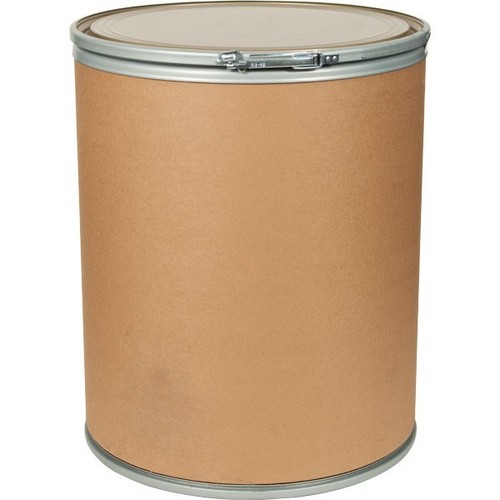
Tell us about your requirement

Price:
Quantity
Select Unit
- 50
- 100
- 200
- 250
- 500
- 1000+
Additional detail
Mobile number
Email

More Products in Active Pharmaceutical Ingredients Category
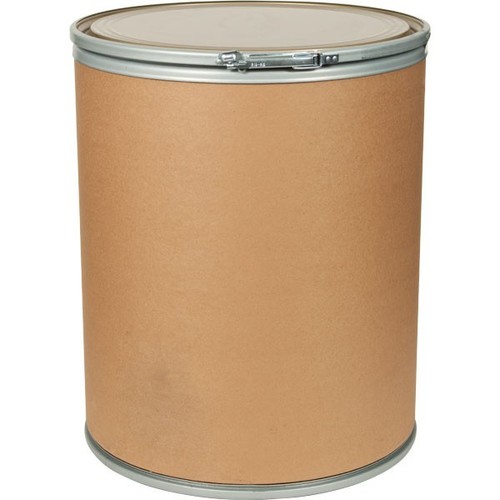
CALCIUM LEVULINATE
Shelf Life : 24 months
EINECS No : 2272621
HS Code : 2915.60
Smell : Other, Odorless
Color : White
Appearance : White crystalline powder
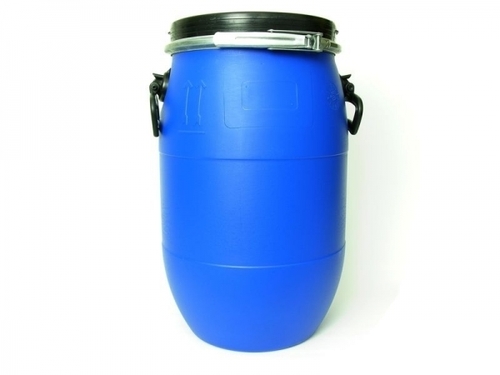
FERRIC AMMONIUM CITRATE
Shelf Life : 3 Years
EINECS No : 2146866
HS Code : 29181590
Smell : Other, Odorless
Color : Other, Greenish yellow
Appearance : Greenish yellow crystalline powder
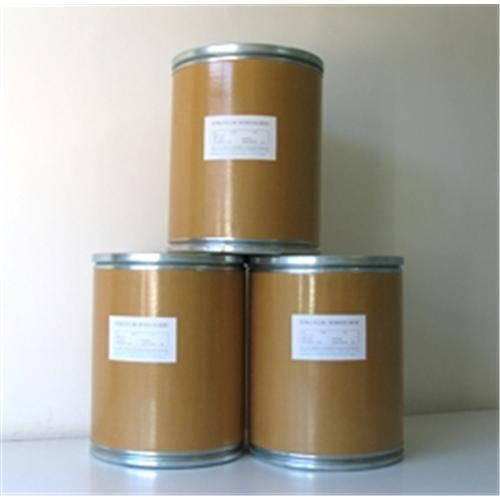
FENBENDAZOLE
Shelf Life : 3 years
EINECS No : 2566684
HS Code : 29332990
Smell : Other, Odourless
Color : White
Appearance : White to offwhite powder
Diltiazem Hydrochloride
Shelf Life : 2 years when properly stored
EINECS No : 2514032
HS Code : 29349900
Smell : Odorless, Other
Color : Other, White to offwhite
Appearance : White to offwhite crystalline powder

Contact Details

- REWINE PHARMACEUTICAL
GST : 24BLJPD8766M1ZJ - 2nd Floor, the Palladium Mall, Yogi Chowk,Surat - 395010, Gujarat, India
- Phone : 08045801787

- Mr Hardik Dhorajiya (Director)
- Mobile : 08045801787
-
 Send Inquiry
- Whatsapp Number- 917201011711
 Send Inquiry
 |
REWINE PHARMACEUTICAL
All Rights Reserved.(Terms of Use) Developed and Managed by Infocom Network Private Limited. |
