



 Send Inquiry
Nasopharyngeal Airway
Nasopharyngeal Airway Specification
- Weight
- Lightweight
- Usage & Applications
- Airway Management
- Size
- Multiple Sizes Available (e.g. 6, 7, 8, 9 mm)
- Sterile
- Yes
- Set Contains
- Single Nasopharyngeal Airway
- Shelf Life
- 5 Years
- Disposable Type
- Single Use
- Material
- Soft PVC
- Style
- Beveled Tip
- Cuff
- No
- Disposable
- Yes
- Recyclable
- No
- Sterilized
- Yes
- Waterproof
- Yes
- Shape
- Curved/Anatomical
- Length
- Variable (Size specific)
- Width
- Size specific
- Color
- Green
- Grade
- Medical Grade
- Radiological Safety
- MRI Compatible
- Hole Type
- Open End with Air Passage
- Insertion
- Facilitated by Lubricated Surface
- Radiopaque Line
- No
- Tip Design
- Rounded, Soft Beveled Tip
- Patient Comfort
- Minimizes Gag Reflex
- Manufacturer Standard
- Conforms to ISO 5364
- Flexibility
- Flexible, Non-Traumatic
- Packaging Type
- Individual Sterile Pack
- Latex Content
- Latex Free
Nasopharyngeal Airway Trade Information
- FOB Port
- All Indian Port
- Payment Terms
- Western Union, Paypal, Telegraphic Transfer (T/T), Cash Advance (CA)
- Supply Ability
- 100000 Piece Per Month
- Delivery Time
- 7-10 Days
- Sample Available
- Yes
- Sample Policy
- Sample costs shipping and taxes has to be paid by the buyer
- Packaging Details
- As Per Buyer Requirements
- Main Export Market(s)
- Australia, South America, Middle East, Central America, Western Europe, Asia, Africa
- Main Domestic Market
- All India
- Certifications
- ISO, GMP, COA
About Nasopharyngeal Airway
Description
In medicine, a nasopharyngeal airway, also known as an NPA, nasal trumpet (because of its flared end), or nose hose, a type of airway adjunct, is a tube that is designed to be inserted into the nasal passageway to secure an open airway. When a patient becomes unconscious, the muscles in the jaw commonly relax and can allow the tongue to slide back and obstruct the airway. This makes airway management necessary, and an NPA is one of the available tools. The purpose of the flared end is to prevent the device from becoming lost inside the patient's nose.
Features:
- Suitable for suctioning in I.C.Us & provide an alternative way when oropharyngeal airway is occluded.
- Made of Medical Grade PVC readily conforms to the nasopharyngeal anatomy.
- Thin wall construction provides maximum inner diameter.
- Interior walls with channel grooves, facilitate easy insertion of catheter.
- Specially designed bevel tip reduces mucosal trauma during insertion.
- Individually packed in peelable pack.
- Sterile ready for use.
Advanced Comfort and Patient Safety
This nasopharyngeal airway is engineered with a soft, flexible curved shape and open end design to promote unobstructed airflow and minimize trauma during insertion. The latex-free construction and smooth, beveled, rounded tip enhance patient comfort, significantly reducing the risk of a gag reflex and mucosal injury.
Key Features for Reliable Performance
Manufactured to meet ISO 5364 standards, this airway incorporates a lubricated surface for facilitated insertion and resistance to kinking. Its sterile and waterproof packaging guarantees hygiene and safety. Being MRI compatible and radiopaque-line free, its suitable for use in diverse medical environments.
Versatile Applications and Sizing
Available in multiple size options, this device supports airway management across all age groups and patient types. Each individually packed, single-use airway is designed for convenient storage, with a robust shelf life and portability that suits emergency and routine care equally well.
FAQs of Nasopharyngeal Airway:
Q: How is the nasopharyngeal airway inserted safely and comfortably?
A: The nasopharyngeal airway features a soft, rounded, and beveled tip with a lubricated surface, allowing smooth and gentle insertion through the nasal passage. This design reduces trauma and discomfort, making it suitable for all ages.Q: What advantages does the latex-free, medical-grade PVC material provide?
A: The latex-free, medical-grade PVC construction eliminates allergic reactions and maximizes safety, while the materials flexibility ensures optimal patient comfort and unobstructed air passage.Q: When should a nasopharyngeal airway be used?
A: This device is ideal for managing airways in patients requiring open nasal airflow in hospitals, clinics, or during emergencies. It is especially beneficial when oral intubation is not possible or must be avoided.Q: Where can the nasopharyngeal airway be safely utilized?
A: Designed for universal medical settingsincluding operating rooms, emergency departments, ambulances, and clinicsthe airways sterile, waterproof, and MRI-compatible properties ensure safe use in each environment.Q: What is the benefit of an individually sterile, single-use pack for each airway?
A: Every airway is packaged individually and sterilized to prevent cross-contamination, ensure product integrity, and support infection control in clinical and emergency scenarios.Q: How do I select the right size for my patient?
A: Choose from multiple size options (e.g. 6, 7, 8, 9 mm) based on the specific anatomical needs and age group of the patient. Sizing guides or clinical judgment may be used to determine the optimal fit.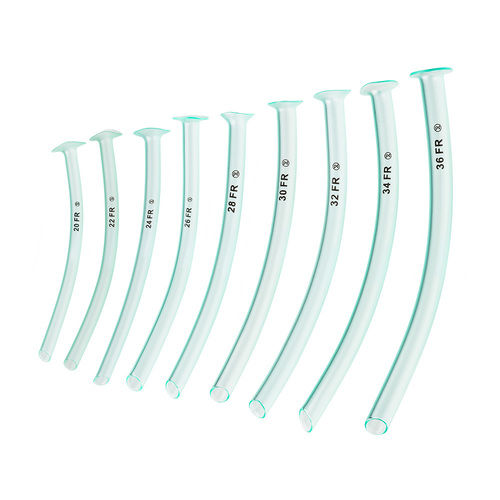
Tell us about your requirement

Price:
Quantity
Select Unit
- 50
- 100
- 200
- 250
- 500
- 1000+
Additional detail
Mobile number
Email

More Products in Surgical Disposable Products Category
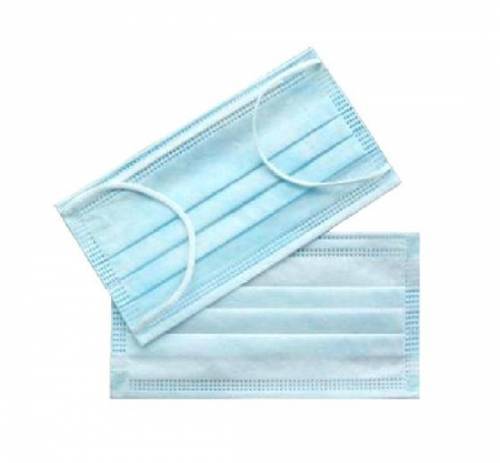
SURGICAL FACE MASK
Price 0.10 USD ($)
Minimum Order Quantity : 100000 Pairs
Sterilized : No
Recyclable : No
Grade : Medical Grade
Color : Blue
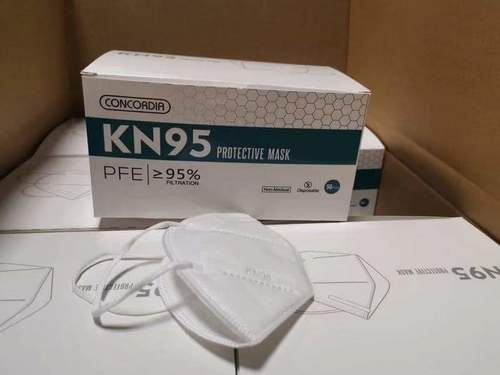
KN 95 Mask
Price 1-2 USD ($) / Piece
Minimum Order Quantity : 100 Pieces
Sterilized : No
Recyclable : No
Grade : KN95
Color : White
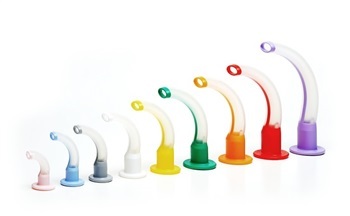
Guedel Airways
Sterilized : Yes
Recyclable : No
Grade : Medical Grade
Color : Color coded (white, green, yellow, red, clear, blue, orange, pink, black, purple)

Contact Details

- REWINE PHARMACEUTICAL
GST : 24BLJPD8766M1ZJ - 2nd Floor, the Palladium Mall, Yogi Chowk,Surat - 395010, Gujarat, India
- Phone : 08045801787

- Mr Hardik Dhorajiya (Director)
- Mobile : 08045801787
-
 Send Inquiry
- Whatsapp Number- 917201011711
 Send Inquiry
 |
REWINE PHARMACEUTICAL
All Rights Reserved.(Terms of Use) Developed and Managed by Infocom Network Private Limited. |
