



 Send Inquiry
Endotracheal Tubes
Endotracheal Tubes Specification
- Size
- 2.0 mm 10.0 mm ID
- Weight
- Lightweight
- Set Contains
- Single Tube
- Shelf Life
- 5 Years
- Usage & Applications
- Airway Management, Anesthesia, Emergency
- Sterile
- Yes
- Disposable Type
- Single Use
- Material
- Non-toxic Medical PVC
- Style
- Murphy Eye, Magill Type
- Cuff
- Available in both cuffed and uncuffed variants
- Disposable
- Yes
- Recyclable
- No
- Sterilized
- Ethylene Oxide Sterilized
- Waterproof
- Yes
- Shape
- Straight with Beveled Tip
- Length
- Standard Lengths: 23 cm (adult), 12-18 cm (pediatric)
- Width
- Various internal diameters: 2.0 mm 10.0 mm
- Color
- Transparent with Blue Radiopaque Line
- Grade
- Medical Grade
- Markings
- Clear graduation markings for depth
- Latex Content
- Latex Free
- Packaging
- Individual Blister Pack
- Tip Design
- Soft Rounded Bevel Tip
- CE Certification
- Yes
- Inflation Line
- Integrated for cuffed tubes
- ISO Standard
- ISO 5361
- Connector Type
- Standard 15mm
- Radiopaque Line
- Present for X-ray visibility
Endotracheal Tubes Trade Information
- FOB Port
- All Indian Port
- Payment Terms
- Paypal, Western Union, Telegraphic Transfer (T/T), Cash Advance (CA)
- Supply Ability
- 100000 Piece Per Month
- Delivery Time
- 7-10 Days
- Sample Available
- Yes
- Sample Policy
- Sample costs shipping and taxes has to be paid by the buyer
- Packaging Details
- As Per Buyer Requirements
- Main Export Market(s)
- Australia, North America, South America, Eastern Europe, Western Europe, Middle East, Africa, Central America, Asia
- Main Domestic Market
- All India
- Certifications
- ISO, GMP, COA
About Endotracheal Tubes
Description
A tracheal tube is a catheter that is inserted into the trachea for the primary purpose of establishing and maintaining a patent airway and to ensure the adequate exchange of oxygen and carbon dioxide.
Features:
- Thermo sensitive tube softens at body temperature to conform to the anatomy of the respiratory tract.
- Kink resistant inflation tube ensures patient safety during cuff inflation and deflation.
- Murphy eye has a polished smoothness ensuring atraumatic intubation and extubation.
- Soft, high volume, low pressure cuff provides an air tight fit between tube and trachea. Radio opaque line.
- Standard 15mm connector.
- Conforms to F-29 standards.
- Sterile individually packed in peelable blister pack.
Precision Design for Safe Airway Management
Our endotracheal tubes feature a soft rounded bevel tip to minimize trauma during intubation, with clear depth markings ensuring accurate tube placement. The presence of a blue radiopaque line allows clinicians to visually confirm positioning via X-ray, essential for patient safety in various medical scenarios.
Reliable Quality Standards and Certification
Each tube is manufactured in India using non-toxic medical-grade PVC, adhering to CE and ISO 5361 certifications. Ethylene oxide sterilization guarantees sterility, and the waterproof design supports reliable airway control during anesthesia, emergency interventions, and routine resuscitation procedures.
Convenient Packaging and Versatile Sizing
Individually blister-packed for infection control, our tubes are available in both adult and pediatric lengths (23cm and 1218cm respectively), with internal diameters ranging from 2.0mm to 10.0mm. The tubes are lightweight for improved handling and come in straight, Murphy Eye, and Magill styles, suitable for a wide range of patients.
FAQs of Endotracheal Tubes:
Q: How does the blue radiopaque line benefit clinical procedures with this endotracheal tube?
A: The blue radiopaque line allows for easy visualization of the tubes placement via X-ray imaging, assisting healthcare professionals in confirming accurate positioning during intubation, surgery, or emergency airway management.Q: What steps should be followed for proper usage and placement of these endotracheal tubes?
A: After sterilization confirmation, select the appropriate tube size based on patient age and airway requirements. Using the soft rounded bevel tip, gently insert the tube, referencing the clear graduation markings to assess depth. Confirm correct placement with X-ray and secure connection using the standard 15mm connector.Q: When should cuffed versus uncuffed variants be used?
A: Cuffed tubes are typically used for adults and certain pediatric cases requiring airway sealing, especially during anesthesia or positive pressure ventilation. Uncuffed variants are often preferred for neonates and younger pediatric patients to reduce airway pressure and risk of injury.Q: Where can these endotracheal tubes be stored to maintain sterility and shelf life?
A: Store each individually blister-packed tube in a dry place away from direct sunlight, moisture, and contaminants to ensure the ethylene oxide sterilization remains intact. Proper storage extends shelf life up to 5 years.Q: What is the main process for ensuring safety and sterility in each tube?
A: The manufacturing process involves using non-toxic medical-grade PVC, followed by ethylene oxide sterilization. Each tube is individually packed in a waterproof blister pack, with clear labeling to indicate latex-free content and single-use disposal requirements.Q: Who can safely use these endotracheal tubes, and are different sizes available?
A: These tubes are suitable for all age groups, including both adults and pediatric patients. Multiple sizes are available, ranging from 2.0mm to 10.0mm internal diameter, with standard lengths tailored for adult and pediatric anatomies.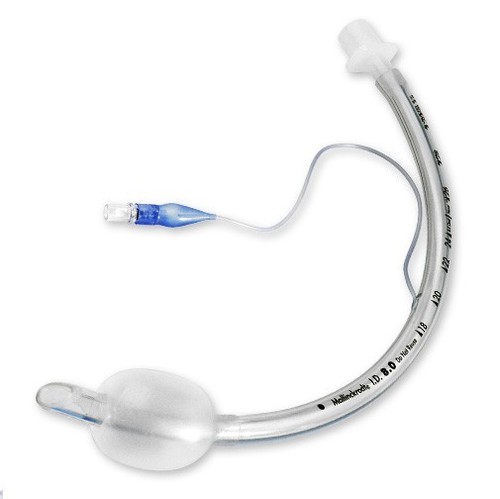
Tell us about your requirement

Price:
Quantity
Select Unit
- 50
- 100
- 200
- 250
- 500
- 1000+
Additional detail
Mobile number
Email

More Products in Surgical Disposable Products Category
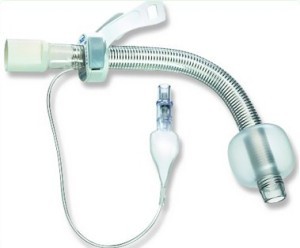
Tracheostomy Tube
Price 600 INR / Piece
Minimum Order Quantity : 100
Weight : Lightweight
Recyclable : No
Cuff : Other, Yes, with cuff
Size : Multiple sizes available
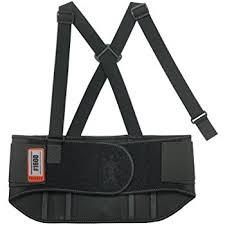
ALL SUPPORT BELT
Price 4-8 USD ($)
Minimum Order Quantity : 100 Pieces
Weight : Approx. 200 300g
Recyclable : Yes
Cuff : No
Size : S, M, L, XL, XXL (Universal Fit)
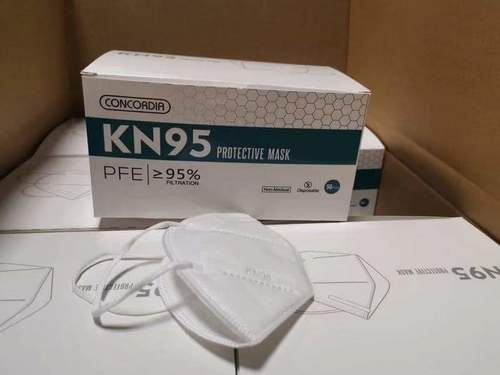
KN 95 Mask
Price 1-2 USD ($) / Piece
Minimum Order Quantity : 100 Pieces
Weight : Approx. 812 grams
Recyclable : No
Cuff : No
Size : Standard Adult Size

Contact Details

- REWINE PHARMACEUTICAL
GST : 24BLJPD8766M1ZJ - 2nd Floor, the Palladium Mall, Yogi Chowk,Surat - 395010, Gujarat, India
- Phone : 08045801787

- Mr Hardik Dhorajiya (Director)
- Mobile : 08045801787
-
 Send Inquiry
- Whatsapp Number- 917201011711
 Send Inquiry
 |
REWINE PHARMACEUTICAL
All Rights Reserved.(Terms of Use) Developed and Managed by Infocom Network Private Limited. |
